Program Overview
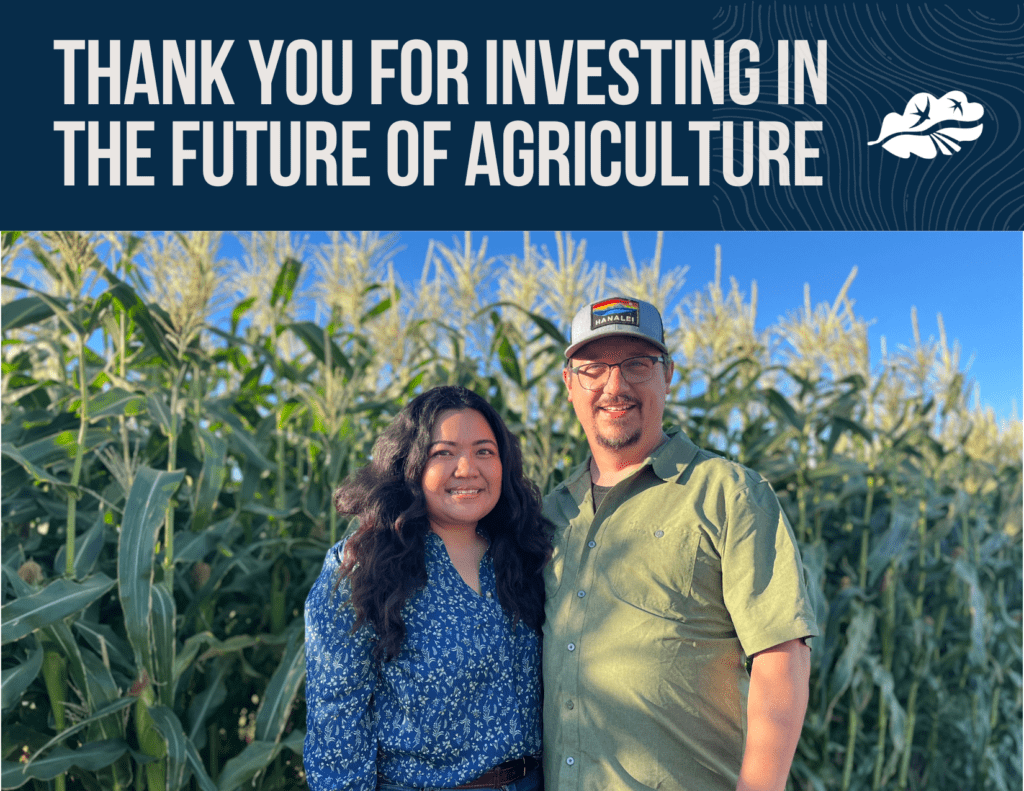
The Beginning Farmer Training Program provides active and aspiring farmers a strong foundation from which to launch and grow their farm businesses. In this immersive educational program, students have the opportunity to gain farm production and business knowledge in a variety of settings that appeal to different learning styles. By choosing which courses they need they can tailor the next phase of their education, ensuring that the next generation of motivated, hard-working farm entrepreneurs gains the knowledge, skills, and confidence to work towards their farming goals.
Classes & Curriculum
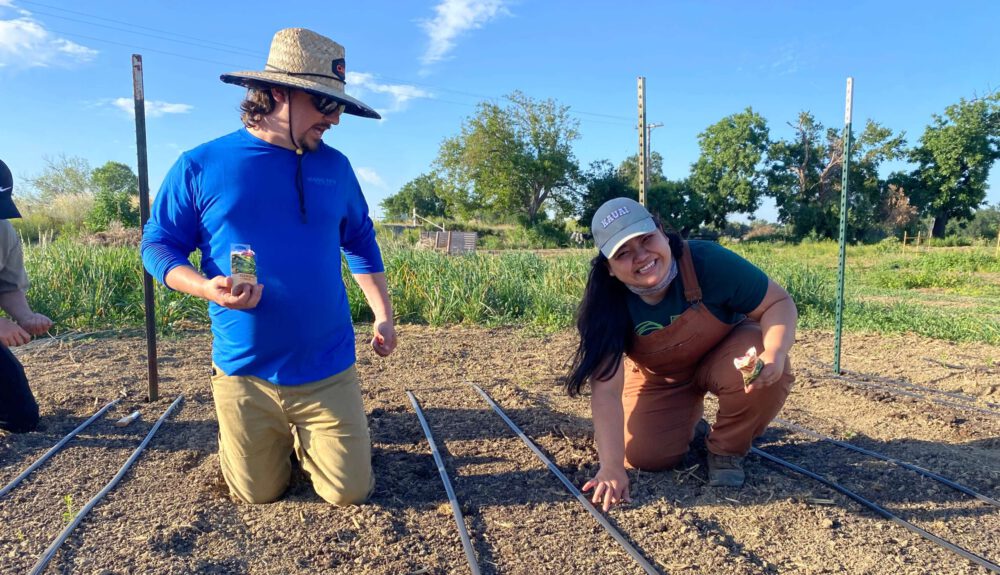
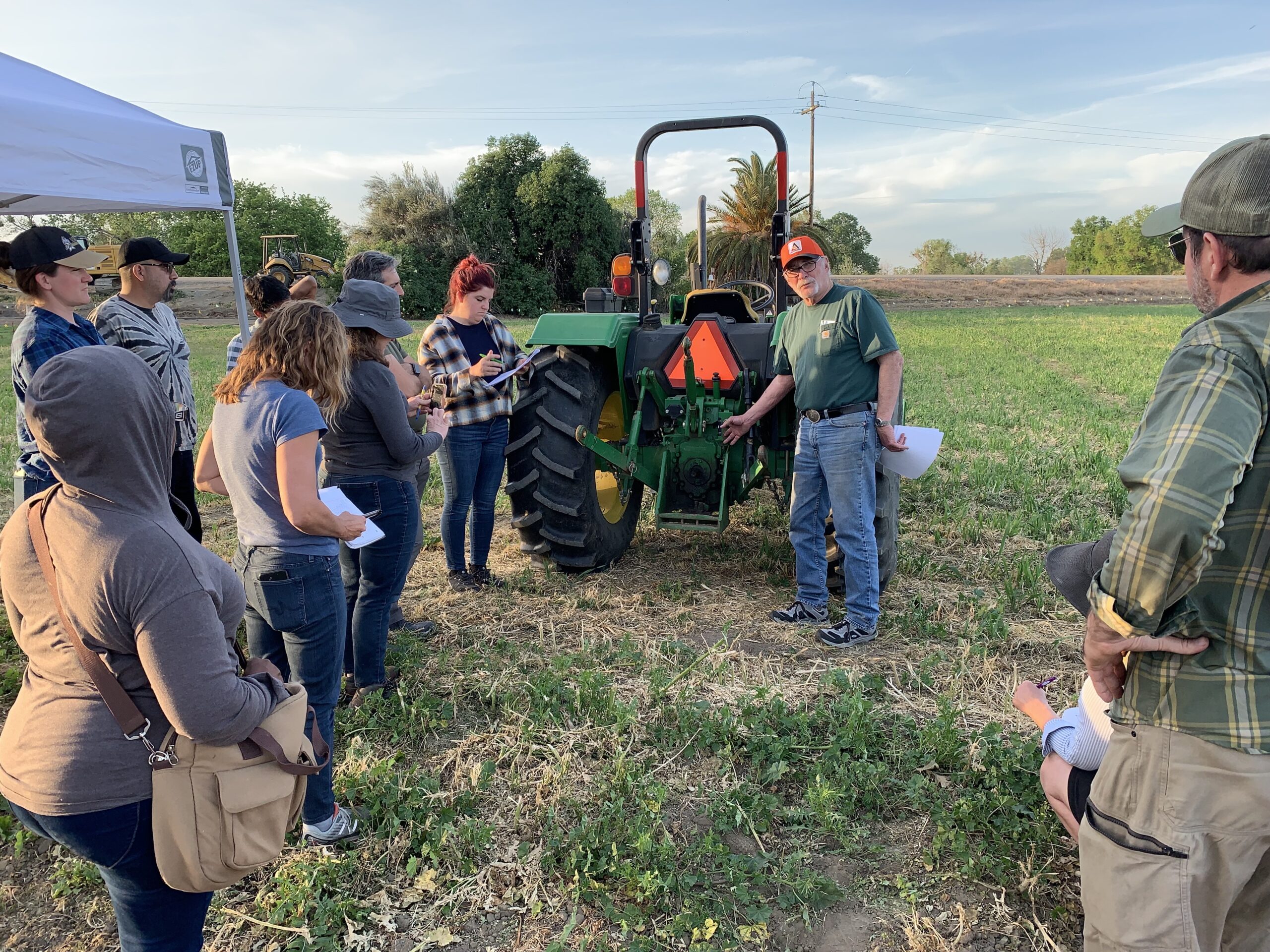
Curriculum combines lectures by farmers and agricultural professionals, hands-on field experience, and farm visits to expose students to topics critical for a future in farming.
Some courses are offered online for remote learning, while others are fully in-person. All in-person classes will be held at the Center for Land-Based Learning Headquarters at The Maples Farm in Woodland, CA, unless otherwise noted.
All classes are designed for adults, 18 and over.
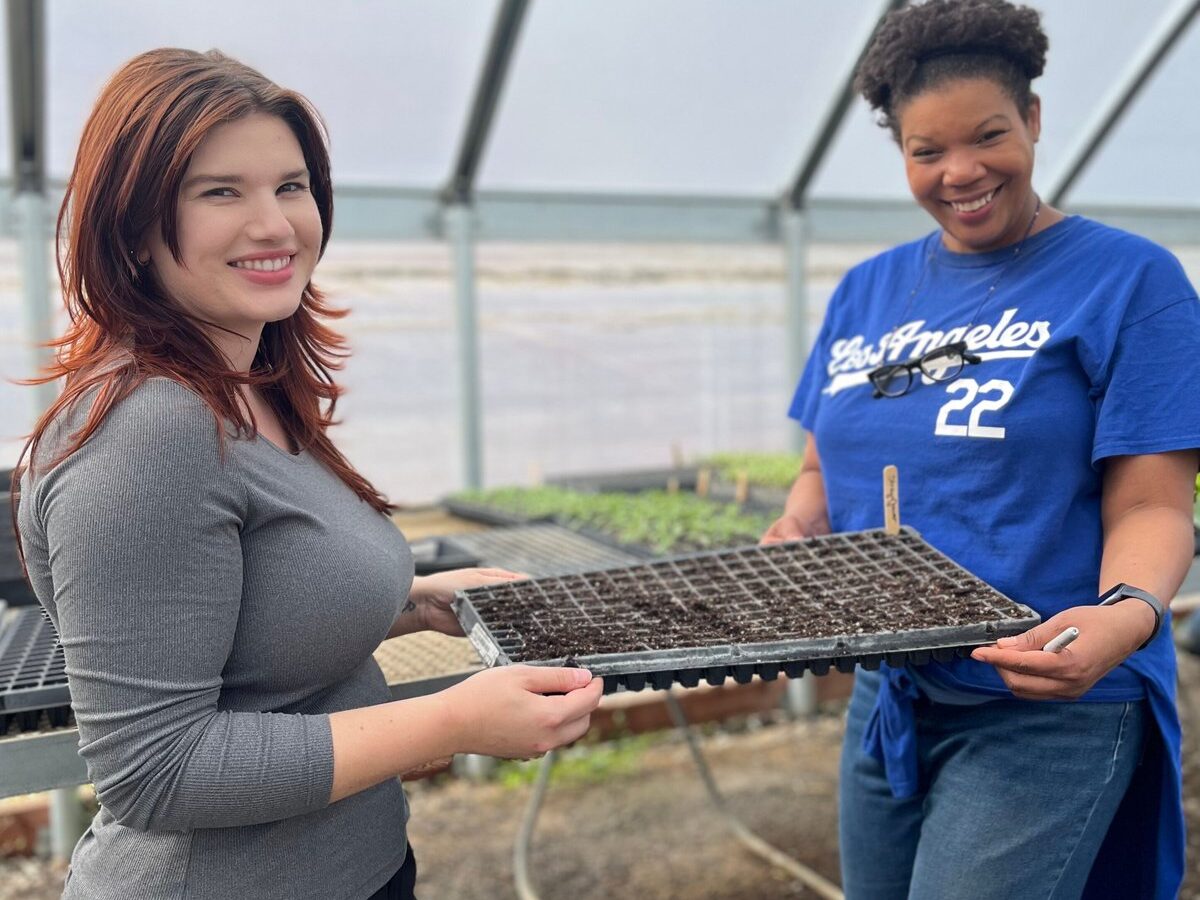
Seed Starting and greenhouse basics
Dates:
Sprout to Seedling:
March 14, 1:30-4pm
Seedling to Transplant:
April 11, 1:30-4pm
Format:
In Person
Cost:
$125
Intro to Irrigation
Dates:
In-Person Field Days:
April 20 and 21 in Woodland, CA
Online classes:
Tues/Th, April 23-June 9
Format:
Hybrid
Cost:
$595
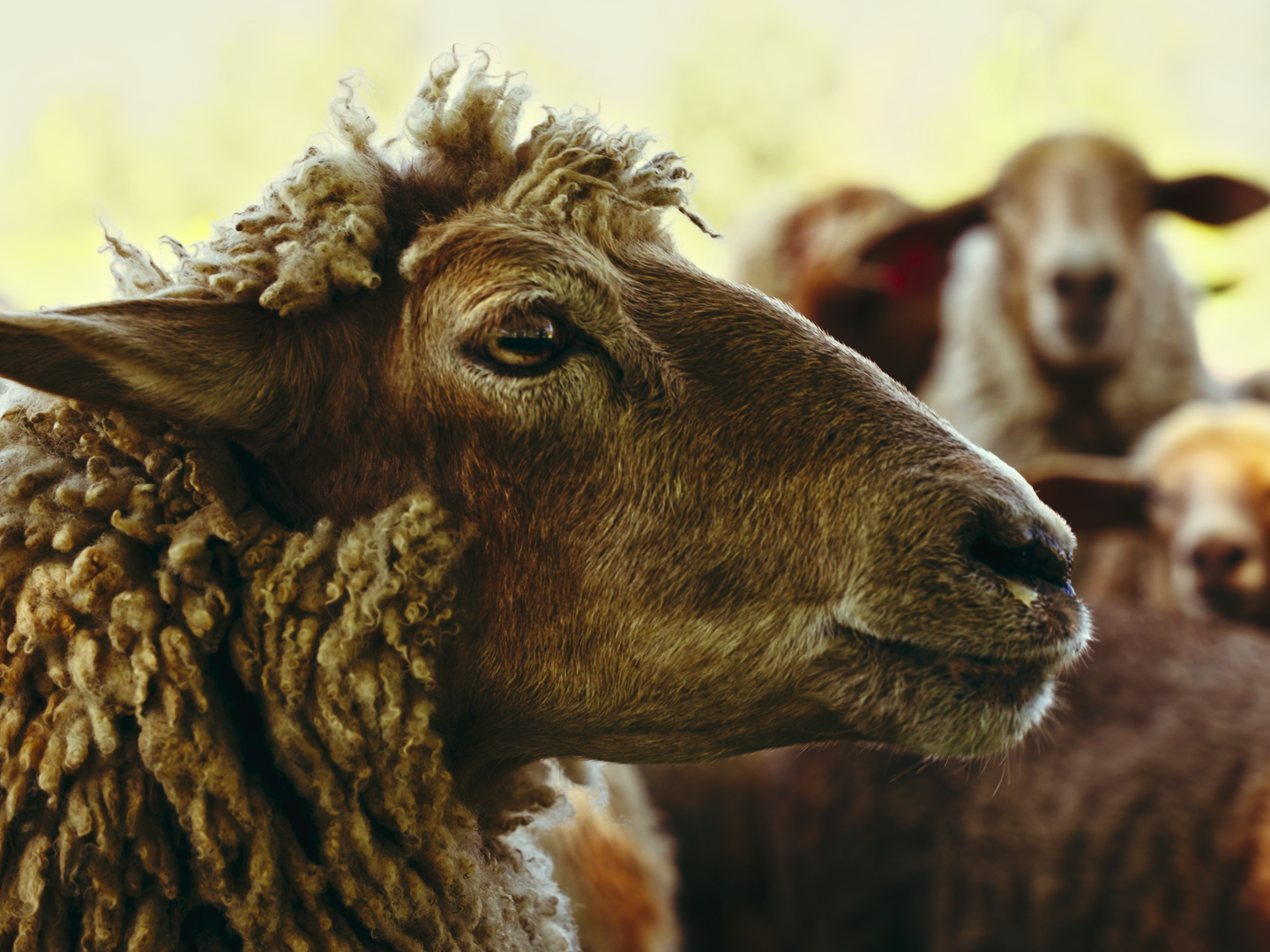
Getting started with Livestock
Dates:
June 1-29
Monday evenings
Time:
6-8 p.m.
Format:
Online
Cost:
$215
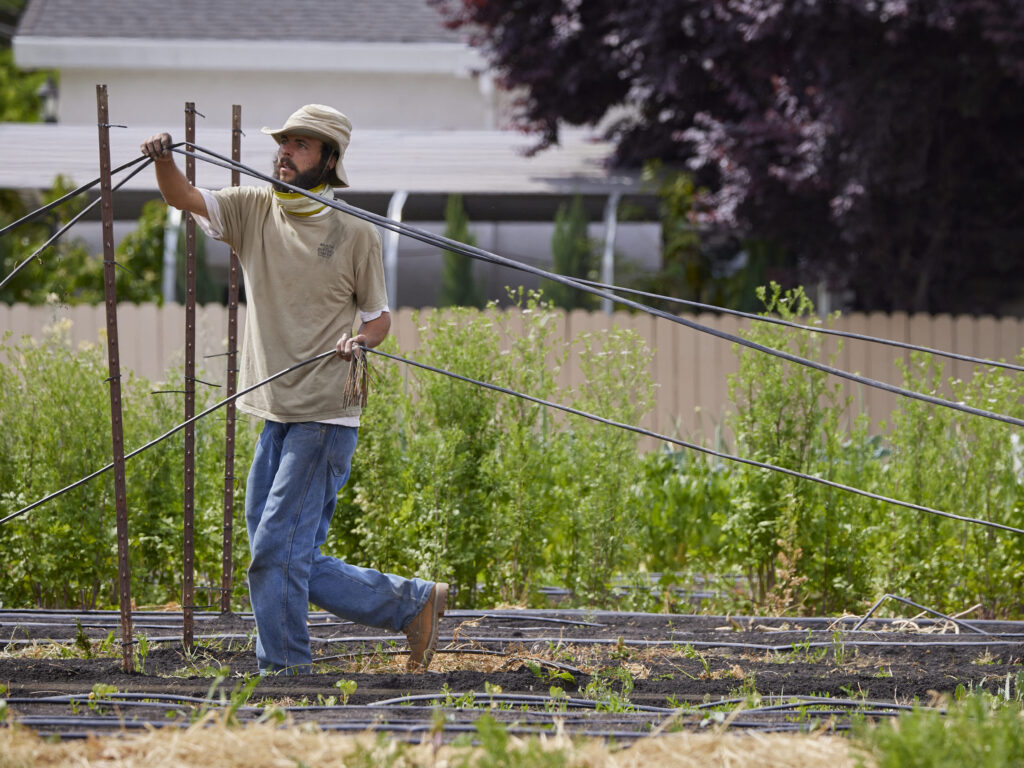
Farm Start: Essential Learning for Aspiring farmers
Dates:
Fall, 2026
Time:
TBD
Format:
In Person
Cost:
TBD
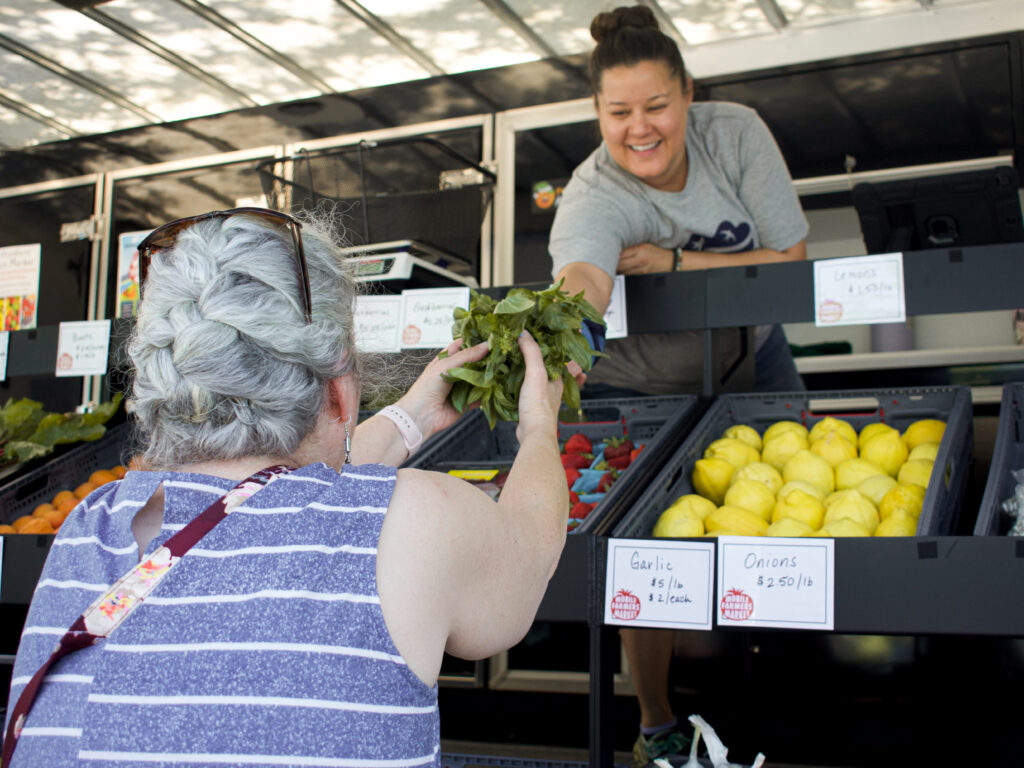
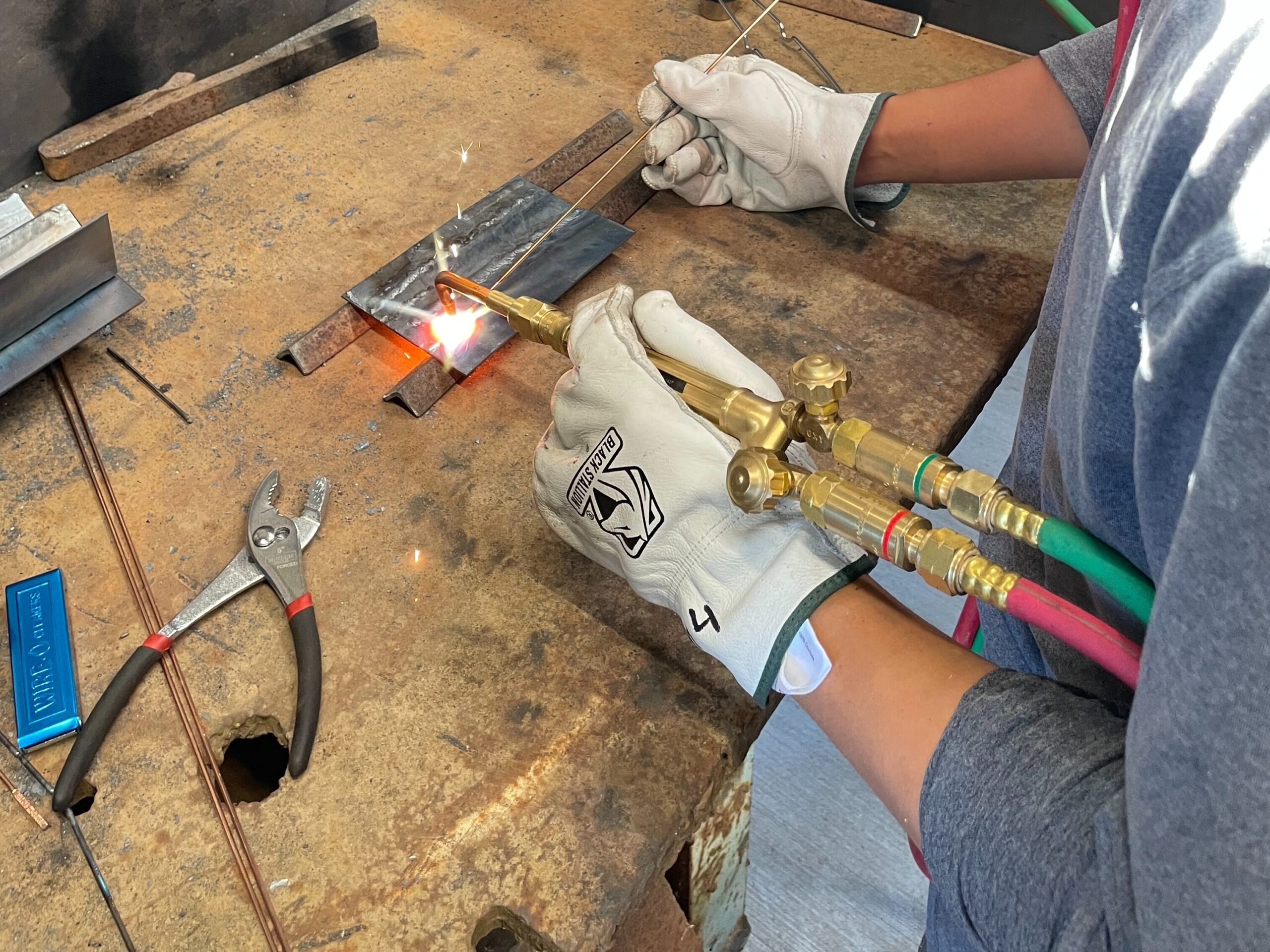
Welding 101 and 201
Dates:
Next classes TBA
Time:
5:00PM – 7:00 PM
Format:
In-person
Cost:
TBA
Testimonial
Cultivating opportunity
We’ve been looking for a way to invest in our team, and there hasn’t been an opportunity to do this in a meaningful way in the agriculture industry until AgHiRE was developed. This program gave us a chance to demonstrate our company values to our employees in a way we haven’t been able to do before.
Now he’s taking the lead to solve things, making recommendations, and asking why things are done a certain way. He can see the big picture and wants to be part of the change.
I gained more confidence in myself from the class.
I’ve seen a huge boost of confidence. He’s gone from shy and quiet to asking if he’s doing things right. Now he’s more comfortable intervening, making decisions and taking disciplinary action in the field. It’s like night and day compared to our other supervisors.
The leadership classes have helped get me through difficult situations, make daily decisions, and become a better leader.
Since the program, he has taken on increasingly complex managerial responsibilities and contributed to important decisions, allowing us to step back and let him handle things.
I love the internship very much. The people here are great and so are the field trips. I learned a lot throughout the years. If I could do this for my whole life I would.
At first I just thought this internship was just going to teach me how to plant and about agriculture, now I know there’s so much more to it. I’ve learned a lot of things that will help me in the future when I actually get a job in the real world. Since we are going on field trips, we get to meet people and talk to them about their careers. That helped me with communication and talking with more professional manners. Communication skills are everything.
Before the internship I didn’t know what I wanted to do in the future. After I joined the internship, it helped me realise that I really like agriculture and I enjoy planting a lot. I am now thinking about doing something in the future that involves agriculture.
I’ve also learned the hard skills I need for that career path – like plant identification and how to take care of a garden. I’ve learned a lot about different plant species over time. For example native plants. I’ve never really heard of native plants before until I joined this internship. When we went to that little highway garden full of native plants, I learned a lot about how important they are for the environment.
The skills I’ve learned will help me succeed in my future, not just in other jobs but in day to day situations with people I face everyday. Both of my soft and hard skills are very useful to me even currently outside of my internship – I’m able to help my family with tasks, especially help my dad with my hard skills, and I use my soft skills with my friends. Whenever there is a difficult situation, I’m able to handle the problem maturely and communicate my feelings.
This internship has helped me connect with my community too by having us engage in multiple teamwork scenarios, including in fun ways where I was able to learn more about the people around me. It has helped me connect with the environment by educating me on everything that is around us. Working in nature everyday has accustomed me to act on instinct even in other places, with composting, planting, cleaning and taking care of the earth in general.
The internship is a great way to make new experiences as well as become engaged with the environment around us daily. As we go on field days I often look back to those days and connect it with new knowledge that I come across as everything connects like a puzzle. I’ve been able to think about more than just the community around me but the whole world. Also the community not just of humans but of living creatures such as wildlife and even bacteria. Things like littering and specific practices that harm our earth constantly run through my head when it happens in front of me because I’ve had experiences of mentors exposing the impact of those toxins.
I’ve learned I really like managing others because that’s what I was born to do. As this internship has greatly helped me practice these skills, I want to be a manager of something or help others succeed. I’ve learned empathy, patience, critical thinking, compassion, consideration for others, awareness of how my community is feeling, reading emotions and body languages, time management, communication with others, and redirection rather than rejection.
I have gained many skills through our work in the garden too such as regenerative agriculture practices, managing people, timesheet information, tool use, bed and soil management, plant identification, compost management, helping plant sales, guiding customers and customer service, event planning, painting, irrigation management, sustainable agriculture practices, crop management, precious hand weeding, and plant observation for health concerns. The internship is great and I hope for others to experience this wonderful community and space!
I think I’ve grown a lot – the support of the internships is amazing and I don’t think I would’ve been able to do it without them. I have had a huge amount of self improvement and self growth and I’ve become a better person in general. I’ve learned how to communicate with people and understand people. I learned to be productive and help others when needed. It has shown me things that I’m passionate about and has given me hobbies that will more than likely keep food on the table and money in my pockets.
[The internship has helped me] become a more confident person and I’m able to speak up when necessary. I am definitely more of a leader than I used to be. I came in very shy and wanted to improve my social skills. Through this internship I was able to improve my communication skills and build better bonds and make lots of connections with my coworkers and organizations we’ve met along the way. I’ve been able to experience so many things that old me would’ve never been able to do. I got to partake in one of my great grandfather‘s biggest passions and see why he loved gardening so much.
This internship has also given me the opportunity to explore my interest in teaching art. Through our Workforce Development course I was allowed to teach my own lesson about art to my coworkers. I want to pursue an art career and through the lesson I’ve decided that teaching art is something I’d love to do.
The internship also gave me opportunities to connect with my community through giving back. With all the extra things we had from our harvest, we were able to give it back to the students at our school and provide them with organic fresh fruits, and vegetables and flowers to take.
I’ve learned to value nature and how impactful our connection to the natural world is. Our health as a society, a community, a nation, as a species, like all other creatures and flora we coexist with, is dependent on the health state of our planet. This internship has led to my further understanding of how important it is not just to strive for sustainability but to achieve regeneration. Banding together with my fellow colleagues, and also classmates, I’ve gotten the beautiful opportunity to work and experience regeneration firsthand.
I’ve also learned soft skills like communication, small and large-scale collaboration, developing community, stress management, and conflict management and resolution. With the skills I’ve gained from the internship I feel like I can confidently communicate with others and strive for a better future mentally, physically, and professionally.